Trending

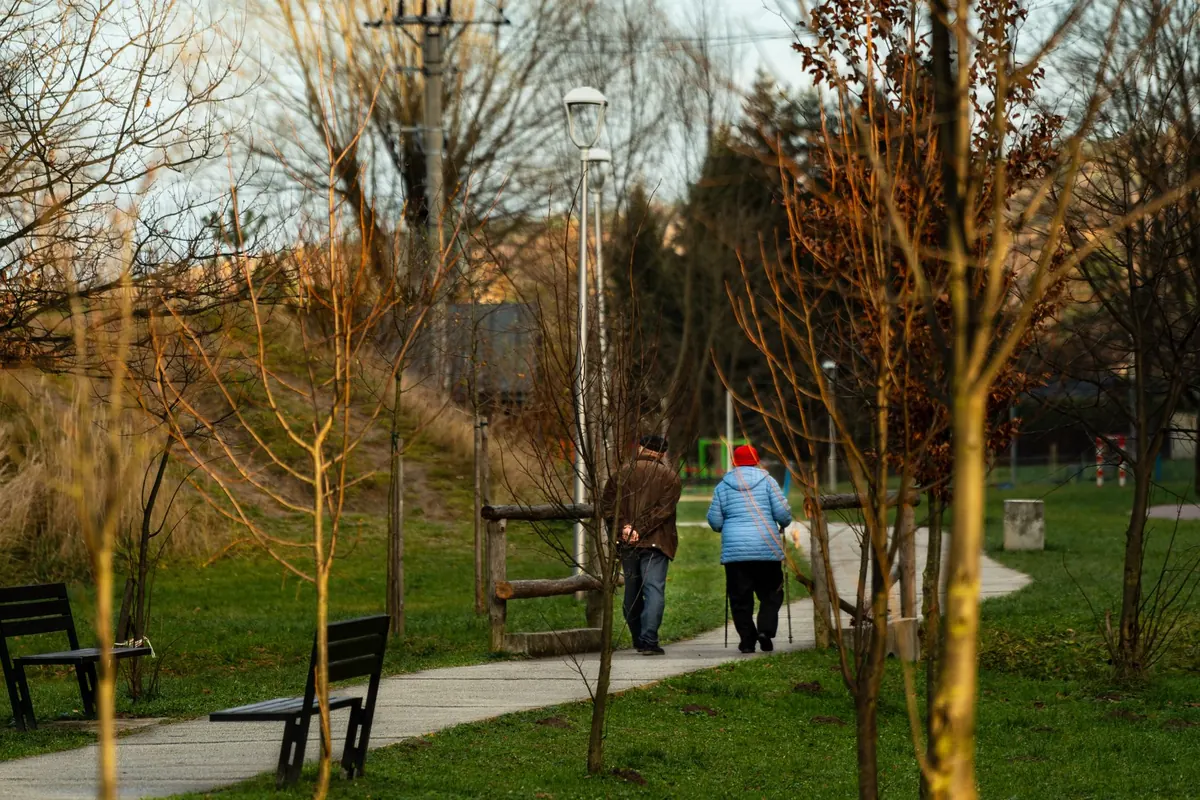
Autumn evenings arrive early. The invitation says seven o'clock; by the time you find your coat, the street outside has gone that deep blue and the pavements are already damp. That is not a reason to stay in. The months when it is dark by five are often the months when company matters most, and a meal, a concert or a film is just as good in November as in June. It simply asks for a little more thought. Here is the checklist to run through before you leave: transport, visibility, warmth, lighting and the way home.
Most evenings out go wrong at the edges rather than in the middle. The film is fine; it is the twenty minutes at a cold bus stop afterwards that spoils things. So sort the travel first.
Look up the return times before you go, not while standing on the pavement at half past ten. Evening timetables thin out quickly, and the last bus is often earlier than you expect. If you are driving, choose the car park for light and proximity rather than price — the cheaper one four streets away can feel very long at midnight. Ask the venue where cars and taxis can pull up; many have a covered entrance or a side door that saves you a walk around the block.
If you are taking a taxi, book the return in advance and save the number somewhere you can find it without scrolling. Write the booking on a piece of paper in your bag if that is easier than trusting your phone. It is also worth knowing where you would wait if plans change: a lit hotel lobby or a staffed station concourse beats a dark side street every time.
Nobody wants to dress for a night out as though they are directing traffic. Fortunately, visibility is mostly a matter of small choices.
A coat or bag with a reflective strip does more than a dark raincoat, and a light-coloured scarf across the chest catches headlights surprisingly well. Small clip-on lights cost very little and attach to a zip, a strap or a walking stick. If you carry a shopping bag, a pale one is easier to see than a black one.
The bigger difference comes from where you cross. Use crossings where you can, make eye contact with drivers before stepping out, and put the umbrella down while you cross so you can see and be seen. Avoid stepping out between parked cars, especially vans, which hide you completely until the last moment. This is not about being cautious to the point of timidity; it is about giving other people the chance to notice you.
You will spend more time standing still than you expect. Ten minutes at a bus stop, five minutes finding the car, a few minutes outside the restaurant while someone settles the bill — all of it in air colder than you dressed for.
Layers work better than one thick coat, because venues are usually warm once you are inside and you will want to shed something. A thin thermal under a shirt, a scarf in the bag rather than the hall drawer, gloves in the coat pocket as a permanent fixture from October onwards. Shoes matter too: something with grip, and a spare pair of socks in the car if the walk involves wet leaves.
Keep a folded cardigan or light jacket for the journey home, when you are tired and sitting still. And if balance, eyesight or breathing in cold air is a concern, a short conversation with your GP or pharmacist about managing evenings out is a sensible step before the season gets going.
Street lighting is uneven, and the stretch between the bus stop and your front door is often the darkest part of the trip. A small torch on a keyring is enough. Phone torches work, but they drain a battery you may need later for a taxi or a message home.
Charge the phone before you leave and consider a pocket battery pack for longer evenings. Choose the lit route even when it is longer; a well-lit detour of three minutes beats an unlit shortcut. If you park on a street, look for a space under a lamp rather than one that saves you a few steps. And ask a friend to walk you to the stop or the car — most people are glad to be asked, and it turns an awkward goodbye into a few more minutes of conversation.
This is the part people skip, and it is the part that matters most. Agree it while everyone is still sober, warm and thinking clearly. A few questions to answer early:
If you live alone, a short message when you are back — to a neighbour, a friend, a family member — closes the loop quietly and costs nothing. Set it up in advance so it does not feel like fussing.
Darker months can make gatherings feel like more effort than they are worth, which is exactly why they are worth a little planning. Arrange to arrive with someone if you can; walking in with a familiar face takes the edge off a room full of people.
Choose your seat with care in noisy venues — away from speakers, near a wall, where you can hear the person beside you. Decide in advance that you will leave when you want to, not when the group does. An evening that ends at half past nine because you chose it is still a good evening. And if the weather turns nasty, move the plan rather than cancel it: a shorter meet-up, a closer venue, a lunch instead of dinner.
Run through this while you are putting your coat on. It takes less time than finding your keys.
None of this is difficult, and none of it takes long. It is simply the difference between leaving the house with a slight knot of worry and leaving it knowing that the awkward bits — the dark walk, the missed bus, the cold wait — have already been thought about. Keep the checklist as a note on your phone or on a card by the front door for the first few weeks of the season. After that it becomes habit, and the dark evenings turn back into what they should be: a reason to see people, not a reason to stay in.
Photo: Michał Robak / Pexels